
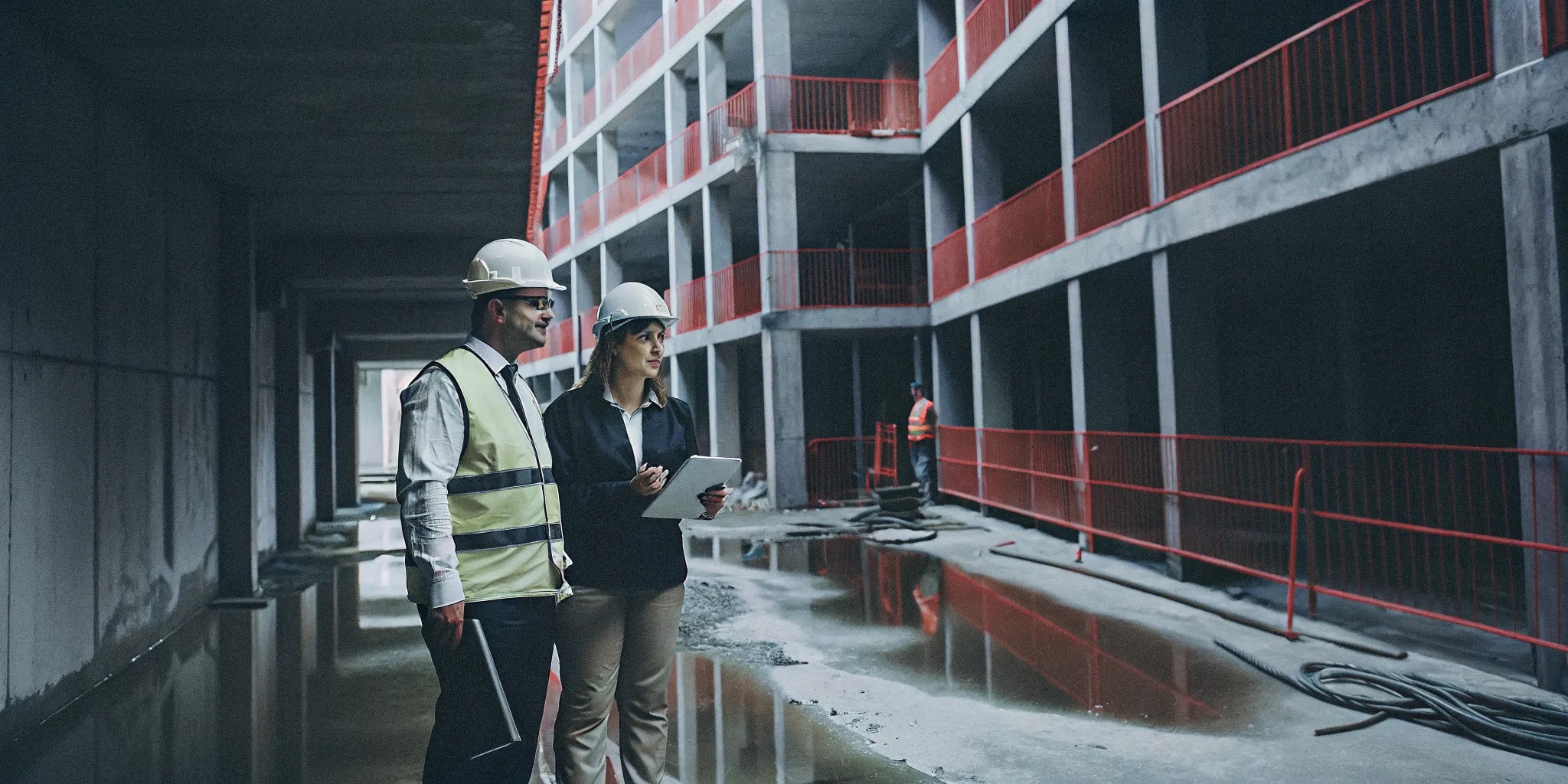
You see it from your car or on your daily walk: workers on a high-rise without harnesses, or a trench that looks ready to collapse. Your gut tells you something is seriously wrong, but it’s hard to know what to do next. It can feel intimidating to speak up, but learning how to report an unsafe construction site is a powerful way to protect workers and the public. This isn't about getting someone in trouble; it’s about preventing a tragedy before it happens. This guide will walk you through the exact steps, from documenting the hazard to contacting the right authorities, so you can act with confidence.
Key Takeaways
- Gather Specific Evidence First: A strong report starts with clear details. From a safe distance, take photos, note the exact address and time, and describe the specific hazard, for example, workers without harnesses or unstable scaffolding.
- Choose the Right Authority for Your Report: For on-site worker safety issues, contact OSHA directly. For problems affecting public spaces, like blocked sidewalks, your local code enforcement office is the best choice. Always call 911 for immediate, life-threatening dangers.
- Understand Your Legal Protections: You have the right to report hazards to OSHA confidentially, and whistleblower laws protect you from employer retaliation. If you were already injured due to negligence, you also have the right to pursue compensation for your medical bills, lost income, and other damages.
What Makes a Construction Site Unsafe?
Construction sites are full of activity, but that activity can quickly turn dangerous when safety isn't the top priority. An unsafe site isn't just messy or disorganized; it's a place where serious injuries can happen because someone cut corners or ignored the rules. These hazards put workers and even passersby at risk. Understanding what makes a site unsafe is the first step in knowing when and why you should report it. If you've been injured on a job site, understanding these factors is crucial when pursuing a personal injury claim.
Recognizing Common Dangers
Some of the most common dangers stem from basic oversights. A key issue is a lack of proper training for workers, who may not know how to operate machinery safely or handle specific risks. Another major red flag is inadequate personal protective equipment, or PPE. Workers without the right gear, like hard hats, safety glasses, or harnesses, are left exposed to preventable injuries. Poor site maintenance also contributes to a hazardous environment. This can look like cluttered walkways, poorly stored materials, or debris that creates trip-and-fall hazards. These unsafe practices often become so routine that they seem normal, but they are clear violations of safety standards.
The Risk of Falls and Faulty Scaffolding
Falls are one of the leading causes of serious injury and death on construction sites. These incidents often happen when companies ignore safety rules to save time or money. For example, a site might lack proper fall protection systems, such as guardrails on elevated platforms or safety harnesses for workers at heights. Unsafe scaffolding and ladders are also major culprits. A scaffold that is poorly constructed, overloaded, or placed on unstable ground can easily collapse. Similarly, using the wrong type of ladder for a job or placing it incorrectly can lead to a devastating fall. These are not just accidents; they are the direct result of neglecting established safety protocols.
Dangers from Equipment, Chemicals, and Electricity
Beyond falls, construction sites present a host of other serious risks. Heavy machinery and equipment that isn't kept in good working order can malfunction, leading to crushing injuries or other accidents. Another significant hazard is exposure to harmful chemicals. Without proper protection and handling procedures, workers can suffer from respiratory issues, skin damage, or long-term health problems. Finally, electrical hazards are a constant threat. Frayed wires, improper grounding, and contact with overhead power lines can cause severe burns or electrocution. These dangers highlight why every aspect of a construction site, from its tools to its wiring, must be managed with extreme care to protect workers.
Why Reporting an Unsafe Site Matters
Speaking up about a hazardous construction site might feel intimidating, but it’s one of the most important things you can do to prevent a tragedy. It’s not about getting anyone in trouble; it’s about ensuring everyone, from the workers on-site to the pedestrians walking by, gets to go home safely. When you report a danger, you’re taking a proactive step that could save a life. Your single action can create a ripple effect, pushing for corrections that protect the entire community.
How Reporting Protects Everyone
Construction sites have strict safety regulations for a reason. Unfortunately, serious injuries often happen when contractors or property owners ignore these rules to save time or money. This can put workers and even people passing by at serious risk. When safety standards are overlooked, the consequences can be devastating, leading to falls, equipment malfunctions, and other preventable accidents. By reporting an unsafe condition, you hold companies accountable and remind them that safety can't be sacrificed. If you or a loved one has suffered due to such negligence, seeking guidance on a personal injury claim can be a critical step. Your voice helps enforce the standards that are designed to protect everyone.
Common Reasons People Hesitate to Report
It’s completely understandable to feel hesitant about reporting an unsafe site. Many workers fear retaliation from their employers if they speak up, which can create a culture of silence around critical safety issues. Another common myth is that safety measures are just an unnecessary expense. However, the reality is that the cost of an accident, including serious injuries and even fatalities, is far greater than the cost of prevention. Believing these myths can lead to unsafe work practices and contributes to accidents that could have been avoided. Knowing your rights and understanding the importance of your report can give you the confidence to take action.
Who Should You Report an Unsafe Site To?
Knowing who to contact can feel confusing, but it’s simpler than you think. Different agencies handle different types of complaints, from federal organizations focused on worker safety to local offices that manage building codes. The right choice depends on the specific hazard and its urgency. Here’s a breakdown of your main options.
OSHA
The Occupational Safety and Health Administration, or OSHA, is the primary federal agency responsible for ensuring safe working conditions. As OSHA states, all "workers have the right to a safe workplace and to speak up about safety issues without being punished." If you are a construction worker and see a hazard on your job site, OSHA is your go-to resource. They handle complaints about everything from faulty equipment to a lack of protective gear. You can file a complaint directly with them, and they are legally required to protect your identity if you request it.
Local Building and Code Enforcement
If you’re a concerned citizen rather than a worker on the site, your local code enforcement office is often the best place to start. These departments handle general public safety and ensure construction projects follow local regulations. You can report issues like "dangerous situations or unsafe construction work," including work being done without a permit, unstable scaffolding visible from the street, or debris blocking a public sidewalk. For residents in our area, you can contact Lee County Code Enforcement to report a non-emergency concern about a local construction site.
State Labor Departments
While federal OSHA handles most workplace safety complaints in Florida, state agencies can play a role, especially when it comes to retaliation. If you are a worker who was unfairly treated or even fired for reporting a safety issue, you have rights. State laws offer whistleblower protections for employees who speak up about illegal or unsafe activities. If you believe you’ve faced retaliation for reporting a hazard, you can look into filing a claim with the appropriate state authority, such as the Florida Commission on Human Relations, to protect your rights and your livelihood.
When to Call 911
Some situations are too urgent for a standard complaint form. You should always call 911 for any immediate danger that threatens lives or property. This isn't for minor infractions but for true emergencies. Clear examples include seeing debris actively falling from a building toward a public area, smelling a gas leak, seeing a fire, or witnessing a serious accident where someone is injured. In these critical moments, don’t hesitate. Your quick call can get police, fire, or medical responders to the scene right away and may even save a life.
What Information to Include in Your Report
When you file a report, providing clear and detailed information is the best way to ensure authorities can act quickly and effectively. Think of it as giving them a complete picture of the problem so they know exactly where to go and what to look for. A vague report might get overlooked, but a specific one demands attention. Your goal is to make it as easy as possible for the right agency to investigate the hazard and prevent a potential accident.
Before you pick up the phone or fill out a form, take a few moments to gather the essential details. Having everything organized ahead of time will make the reporting process smoother and your complaint much stronger. If you or someone else has already been hurt, this information is also critical for any potential personal injury claim. A thorough record creates a powerful foundation for holding negligent parties accountable.
Gather Key Site Details
First things first, the authorities need to know exactly where the problem is. Simply saying "the construction site on Main Street" isn't enough, especially in a busy area. Be as precise as you can with the location. Write down the exact street address if possible. If you can't find one, note the nearest cross streets or major landmarks. Look for any signs that identify the construction company or property developer and include their names in your report. The more specific your details are, the faster an inspector can find the site and assess the danger.
Describe the Hazard and When It Occurred
Next, clearly explain what you saw. Vague descriptions like "it looks unsafe" are less helpful than specific observations. For example, instead of saying the workers are in danger, describe what you see: "Workers are on the third-floor scaffolding without any visible safety harnesses." If debris is falling, note what it is and where it's coming from. Also, be sure to include the date and time you witnessed the hazard. This information creates a timeline and adds credibility to your report, showing that it's a current and specific issue that needs immediate attention.
Collect Evidence and Witness Information
If you can do so from a safe public distance, take photos or videos of the hazard with your phone. Visual evidence is incredibly powerful and can show investigators exactly what you’re describing. Don’t put yourself in harm's way to get a picture; your safety is the top priority. If other people also witnessed the unsafe condition, and you feel comfortable doing so, ask for their names and contact information. Having additional witnesses can strengthen your report. This type of documentation is also essential if an accident occurs and you need to explore your legal options for a construction accident.
How to Report an Unsafe Site: A Step-by-Step Guide
Seeing a dangerous situation on a construction site can be unsettling, but reporting it is a straightforward process that protects workers and the public. If you're not sure where to start, don't worry. I'll walk you through exactly what to do, one step at a time. Taking action can prevent a serious accident, and these simple steps will help you make your report effectively and safely. Following this guide will help you feel confident in your decision to report a hazard and make a real difference.
1. Document the Hazard
Before you file a report, your first move should be to gather as much information as you can from a safe distance. Think of yourself as a fact-finder. Use your phone to take clear photos or videos of the hazard. Make detailed notes about what you saw, including the date, time, and specific location on the site. Are workers missing safety gear like harnesses? Is there scaffolding that looks unstable? Are trenches collapsing? The more specific your documentation of common construction hazards, the easier it will be for authorities to understand the problem and take action. This evidence creates a powerful record that supports your complaint.
2. Choose the Right Authority
Knowing who to call is the next step. For most workplace safety issues, the main agency is the Occupational Safety and Health Administration (OSHA). It's their job to ensure safe working conditions across the country. You can file a complaint directly with OSHA if you believe there is a serious hazard or if your employer is not following safety standards. For issues that might violate local ordinances, like unpermitted work or problems affecting public property, you can also contact your local Fort Myers or Lee County code enforcement office. Starting with OSHA is usually the best bet for on-site worker safety issues, as they have the authority to investigate and enforce federal safety laws.
3. Submit Your Report
Once you have your information and know who to contact, it's time to officially submit your report. OSHA makes this process accessible. You can file a complaint online, by phone, by fax, or by mail. The quickest and most efficient method is often the online complaint form. Be prepared to provide the site's address, the name of the company if you know it, and a clear description of the hazard you documented. Fill out the form with as much detail as possible from your notes and photos. The goal is to give inspectors a clear picture of the danger before they even arrive on the scene.
4. Request Confidentiality
Many people worry about retaliation, especially if they work on the site they are reporting. You should know that you have the right to request confidentiality. When you file a complaint with OSHA, you can ask that your name not be revealed to your employer. Federal law provides strong whistleblower protections to shield you from being fired, demoted, or otherwise punished for reporting a safety concern. Your safety is paramount, and these protections are in place to ensure you can speak up without fear. Always check the box or tell the operator you wish to keep your identity confidential when you file your report.
5. Follow Up
After you've submitted your report, keep a copy of it and any confirmation number you receive. While OSHA handles the investigation, you've done your part by raising the alarm. An inspector may visit the site to assess the situation. If you or someone you know was already injured because of the unsafe conditions you reported, your next step is different. Reporting the hazard is important, but you also need to protect your rights. In that situation, it's wise to speak with an experienced attorney who can guide you through the process of seeking compensation for a personal injury.
Know Your Rights When Reporting an Unsafe Site
Speaking up about a safety hazard is a brave and important step. It’s also completely normal to feel a little nervous about the process and what might happen next. Understanding your rights is the best way to feel confident and protected when you decide to make a report. The law is designed to support you in creating a safer environment for yourself and your coworkers. Let’s walk through what you need to know.
Can I Report Anonymously?
Yes, you absolutely have the option to keep your identity private. Many people worry about their employer finding out they made a report, and that’s a valid concern. Fortunately, when you file a complaint with the Occupational Safety and Health Administration (OSHA), you can request that your name not be revealed to your employer. This confidentiality is a key part of the reporting process, ensuring you can flag a dangerous situation without fearing personal or professional backlash. Your priority is safety, and these measures are in place to help you focus on that without added stress.
Understanding Whistleblower Protections
It is illegal for your employer to retaliate against you for reporting an unsafe work environment. Federal laws provide strong whistleblower protections for employees who speak out about safety violations. This means your employer cannot fire, demote, cut your hours, reassign you, or otherwise discriminate against you as punishment for filing a complaint with OSHA. These protections exist to encourage people to report hazards without fear. If you believe you have faced retaliation, you can file a separate complaint to have the situation investigated. The system is designed to have your back.
What Happens After You File a Report?
Once you submit your report to an agency like OSHA, your work is done, and theirs begins. The agency will review the information you provided. Depending on the details and the severity of the hazard, they may contact your employer for more information or conduct an on-site inspection. OSHA is committed to investigating these claims to ensure workplaces are safe. Their primary goal is to get the hazard corrected. The process is straightforward and handled by professionals whose job is to resolve safety issues and protect workers from unfair treatment.
Injured on a Construction Site?
If you were hurt on a construction site because of unsafe conditions, you have the right to seek compensation for your damages. An injury can lead to a mountain of expenses, from medical bills and physical therapy costs to wages lost while you are unable to work. You may also be entitled to compensation for your pain and suffering. Navigating the aftermath of a personal injury can be overwhelming, but you don’t have to do it alone. Consulting with an experienced attorney can help you understand your options and ensure your rights are protected while you focus on your recovery.
Related Articles
- What to Do After a Construction Accident: Steps to Protect Your Rights
- Understanding OSHA’s Role in Workplace Safety
- Common Causes of Construction Site Injuries
- How to File a Workplace Safety Complaint
- Your Rights After a Workplace Injury
Frequently Asked Questions
I'm not a construction worker, but I saw something dangerous at a site near my home. Can I still report it? Yes, you absolutely can and should. While OSHA is primarily focused on worker safety, your local code enforcement office is the right place to report hazards that could affect the public. This includes issues like debris falling outside the site boundaries, unstable structures visible from the street, or blocked public sidewalks. Your report helps ensure the construction company is following local regulations and keeping the entire community safe.
What's the real difference between a situation that needs an OSHA report versus one that needs a 911 call? Think of it in terms of immediate versus ongoing danger. You should call 911 for true emergencies that present an active, life-threatening risk, such as a fire, a gas leak, or a worker who has just been seriously injured. An OSHA report is for systemic safety problems that are hazardous but not actively causing an emergency, like a lack of safety harnesses, faulty scaffolding, or improperly stored chemicals. OSHA investigates these ongoing risks to prevent an accident from happening.
I'm worried about losing my job if I report my employer. What protections do I actually have? This is a common and valid fear, but federal law is on your side. When you file a complaint with OSHA, you can request that your identity remain confidential from your employer. More importantly, the law includes strong whistleblower protections that make it illegal for your employer to fire, demote, or otherwise punish you for reporting a legitimate safety concern. If you face any form of retaliation, you can file a separate complaint to protect your rights.
What if I was already injured because of an unsafe condition on a construction site? If you've been injured, your first priority is your health. After seeking medical attention, your focus should shift to protecting your rights. Reporting the hazard is still important, but you also need to consider the financial impact of your injury, including medical bills and lost wages. This is the point where a safety issue becomes a personal injury matter. Speaking with an attorney can help you understand your legal options for seeking compensation from the responsible parties.
Do I need to hire a lawyer just to report a safety hazard? No, you do not need a lawyer to file a report with OSHA or your local code enforcement. These agencies are public resources designed for anyone to use, and the reporting process is something you can handle on your own. The time to consider legal advice is if you have been injured as a result of the hazard or if you believe you are facing illegal retaliation for making a report.